I've been tracking things for as long as I can remember.
It started innocently enough — a notebook to log workouts, a spreadsheet to track expenses. But over the years, it became something more. An obsession, maybe. Or perhaps just the way my brain works: I understand things by measuring them.
Along the way, I fell in love with the rhythm of reviews. Yearly reflections to zoom out and see the big picture. Quarterly planning to set meaningful goals. Monthly check-ins to course-correct before things drift too far. Weekly reviews to stay on top of commitments. And occasionally, daily tracking when I needed to build a new habit or break a bad one. Each cadence serves a different purpose — together, they create a system for continuous realignment.
By the time I had a family, I'd read hundreds of self-help and business books. I'd experimented with every productivity system imaginable. I'd built dashboards for habits, finances, time tracking, sleep, exercise — you name it, I'd probably quantified it.
The Quantified Life
Let me show you what I mean.
Here's RescueTime data tracking my productivity and work hours since 2014:
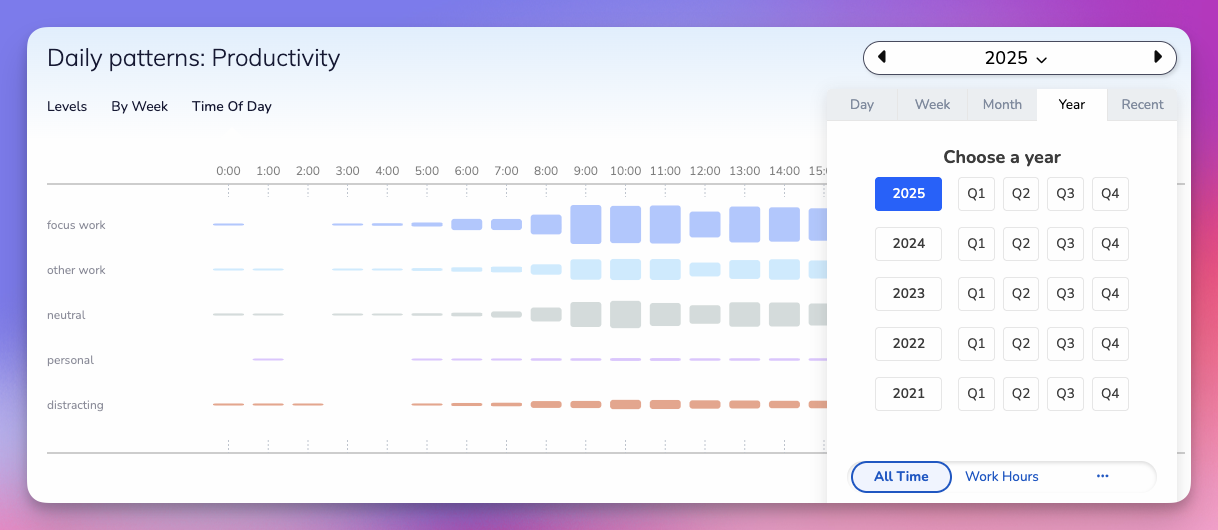
Productivity tracking with unbroken data since 2014 — this shows 2025
As a creative entrepreneur, my schedule has never been 9-5. This data helped me understand my actual work patterns, when I'm most productive, and how much I'm really working versus how much I think I'm working.
Here's three years of my workouts:
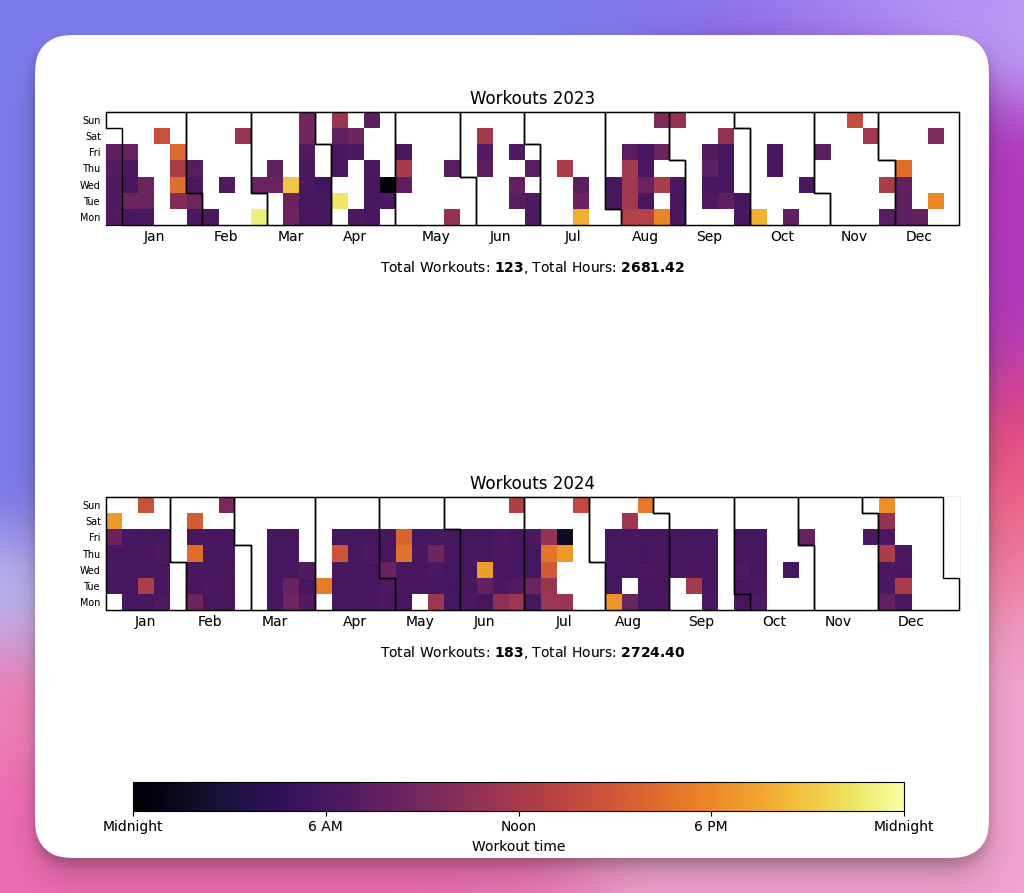
Three years of workouts visualized as a heatmap — the patterns tell a story
You can see the patterns. The good streaks. The gaps where life got in the way. The slow rebuild after injuries or busy periods. Data doesn't lie, and it doesn't judge — it just shows you what actually happened.
And here's how my family tracks our monthly spending. This chart shows our current month's "burn-up" compared to the average of the last four months:
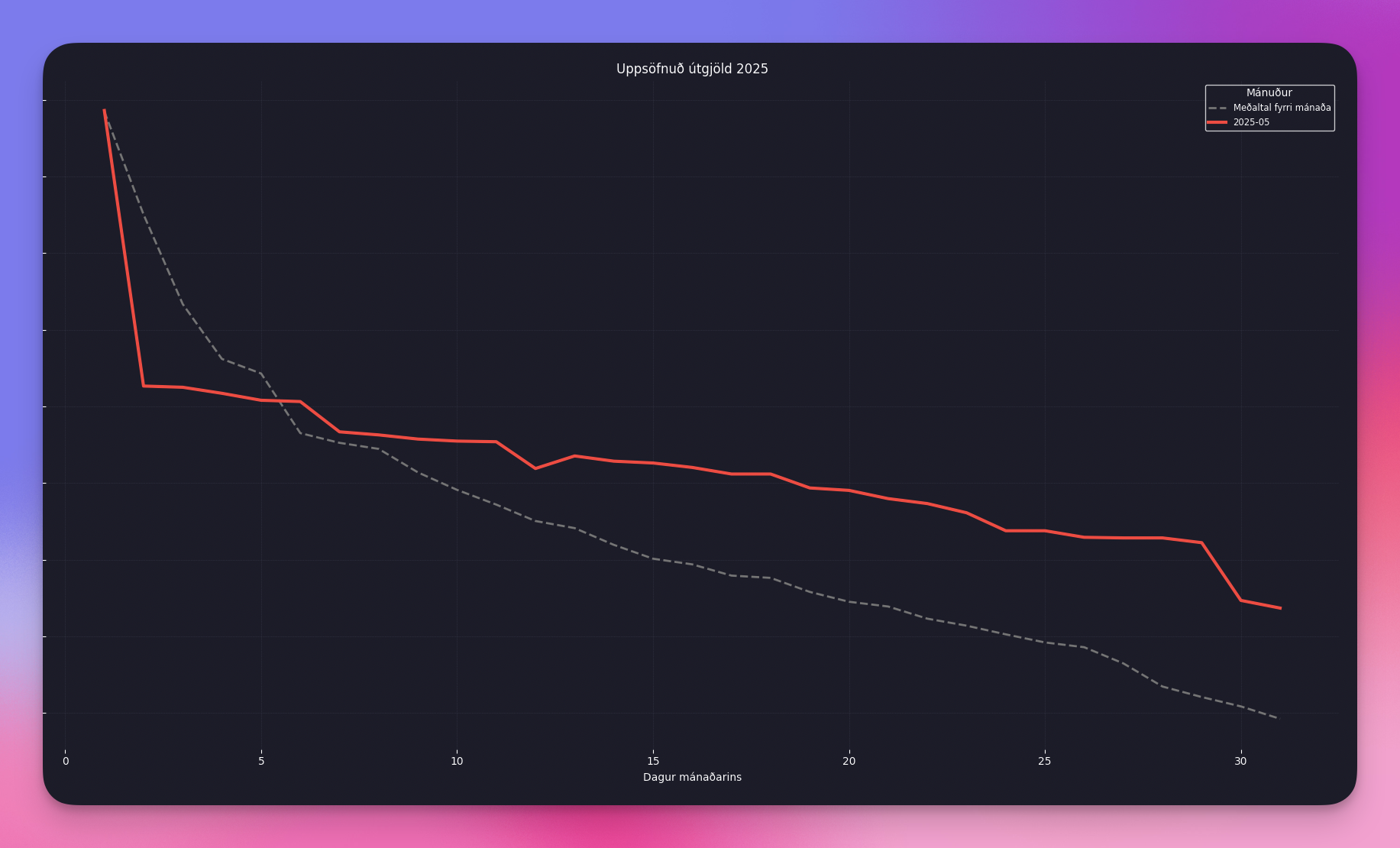
Our family finance dashboard — tracking current month spending against our 4-month average
Every day, we can see if we're tracking above or below our typical spending. No surprises at month-end. No awkward "where did all the money go?" conversations. Just visibility.
The Book Stack
The tracking habit came hand-in-hand with a reading habit. Over the years, certain books shaped how I think about systems, habits, and intentional living:
Each book added a piece to the puzzle. GTD taught me to capture everything. Atomic Habits showed me the power of small, consistent actions. Traction introduced me to Rocks and the 90-day cycle. Essentialism gave me permission to say no.
But here's the thing: these books are written for individuals or businesses. Not families.
The Gap
When I looked at my family — our household — I saw the same chaos I'd learned to manage in my work life. Miscommunication. Forgotten tasks. Money arguments. Scheduling conflicts. The endless feeling of being reactive instead of proactive.
And here's what really got me: every person in our family has ambitions. Goals they want to pursue. Dreams they're working toward. But without a clear structure for how we support each other — who needs what, when, and how we make space for individual growth alongside family life — those ambitions created friction instead of momentum. One person's project clashed with another's plans. Someone's need for quiet focus time collided with someone else's need for help. We were all pulling in different directions, not because we didn't care, but because we had no system for aligning our individual paths.
I thought: why don't we run our household with the same intentionality we'd run a business?
Not in a cold, corporate way. But with the same commitment to clarity, communication, and continuous improvement.
The Question That Started Everything
What if families had their own operating system — a set of practices, rhythms, and tools designed specifically for the chaos and beauty of home life?
Building the System
I started experimenting. I took concepts from EOS (the Entrepreneurial Operating System) and adapted them for home. Weekly meetings. Quarterly rocks. Vision statements. Responsibility maps.
Some things worked immediately. Our weekly family meeting — just 30 minutes on Sunday evenings — transformed how we communicated. Issues that used to fester got addressed. Schedules that used to clash got coordinated.
Other things needed iteration. The first version of our responsibility map was too rigid. The quarterly planning sessions were too long. We learned what worked for us and kept refining.
Why "Intended"?
There's a Sam Altman quote that has stuck with me for years:
"A big secret is that you can bend the world to your will a surprising percentage of the time — most people don't even try, and just accept that things are the way that they are."
This captured something I'd felt my whole life but couldn't articulate. Most people drift. They let circumstances dictate their path. They accept the default settings — in their careers, their health, their relationships, their family life. I know this applies to me too — and I have a strong feeling it happens in the lives of most people around us.
But you don't have to. You can design the life you want. Not by wishing, but by being intentional about it. By building systems. By making conscious choices instead of accepting whatever happens.
That's why "Intended." Most families operate on autopilot. Life happens to them. Days blur into weeks, weeks into years. Intended OS is about designing your family life on purpose.
Not rigid. Not over-scheduled. Not optimized to the point of joylessness.
Just... intentional. Knowing what matters. Having systems that support those priorities. Bending your family's trajectory toward the life you actually want.
What This Project Is (And Isn't)
This is not a prescription. Your family isn't my family. What works for us might not work for you. Intended OS is a framework — a starting point. Take what's useful, adapt it, ignore what doesn't fit.
This is not about perfection. We miss meetings. We blow budgets. We have conflicts. The system doesn't prevent problems — it gives us a way to address them.
This is a living project. We're still learning. Still iterating. The templates and guides here represent what's worked so far, but I expect them to evolve.
Join the Experiment
If you've read this far, you're probably like me. Someone who believes that a little structure can create a lot of freedom. Someone who thinks families deserve the same intentional design we give to our careers.
I'm building Intended OS in public. The templates are free. The guides are free. Eventually, there will be tools — apps and dashboards to make this easier. But the core ideas will always be accessible.
Welcome to the experiment.
"The goal isn't a perfect family. It's a family that knows where it's going and enjoys the journey together."
— Ægir